

Help Save a Life – Enroll Your Pet in Our Network Of Veterinary Angels (NOVA) Blood Donor Program!
Your Pet Could Be a Hero!
Just like humans, pets sometimes need life-saving blood transfusions. By enrolling your healthy dog in our Pet Blood Donor Program, you can help save the lives of other animals in need.
Be a Lifesaver. Let Your Pet Be a Hero.
Why SHOULD YOUR PET DONATE?
Pet emergencies don’t wait, and neither should we. Blood transfusions are critical for trauma, surgery, and serious illnesses—but we can only help if we have donors. Your healthy, generous pet can become a lifesaver for cats and dogs in crisis. Join NOVA and become part of our community of heroes.
Who Can Donate?
Dogs: 1–8 years old,
50+ lbs (23kg)
Up-to-date on vaccines
Friendly, calm temperament
What is the Process?
Donating through NOVA is simple and safe. A quick health screening ensures your pet is eligible. The collection takes just 10-15 minutes, “and a donation appointment is expected to take roughly 30 minutes. Your NOVA donor will receive an official donor card to celebrate their heroic contribution. Most donors recover from donation immediately, though we recommend to keep the donor at rest for 24h.
Ready to Donate?
Call us at 804-206-9122 and leave a message to the NOVA blood bank or email [email protected] for more information.

Donor “Max” provided blood to recipient “Cosmo” to help treat his life-threatening anemia, secondary to a diagnosis of leukemia, which allowed him to continue his chemotherapy treatment and start responding.
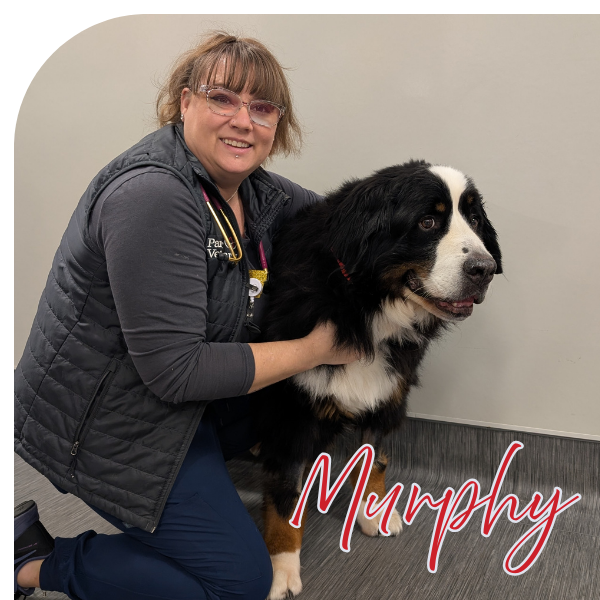
Donor “Murphy” provided lifesaving blood when patient “Bruce” came in for surgical emergency of GDV and splenic fracture, abdominal hemorrhage. This patient survived because we had blood to give.
Canine Blood Donors Frequently Asked Questions
Why enroll my dog in a blood donor program?
Much like humans, animals can donate blood if they meet strict health requirements. The collected blood is then stored in our blood bank and used by our veterinary hospital to treat life threatening emergencies and save animal lives.
Who can donate blood?
Dogs of at least 50lb (23kg) between the age of 1 and 8 years old, with a gentle, calm demeanor, with no medical issues, are on no long-term medication, never received a transfusion and are up to date on vaccination and prophylactic medications (heartworm and deworming) could be eligible to be assessed as donors. Donors that meet the basic eligibility criteria then go on to assessment for good demeanor to donate, systemic bloodwork, urine test, fecal test, as well as blood testing for infectious diseases. If a donor passes all requirements and testing, they can be added to the donor list.
What are the risks of blood donation in dogs?
Risks in dogs are low but can include a skin reaction/rash from the skin disinfectant, hematoma at the collection site (a small temporary blood swelling/bruising), incomplete donation (e.g. patient moves or the collection line clots), and in very rare cases, weakness and low blood pressure. While these risks cannot be eliminated completely, each patient is examined and tested for anemia before each donation to minimize these risks, in addition to annual health screening. These risks are thankfully very uncommon.
What is the process involved in collecting blood from a dog?
As an owner, you will come to our hospital at a scheduled appointment with your donor dog. A team member will go over a questionnaire to ensure the patient remains a good candidate for donation, after which a veterinarian will do a physical examination, followed by checking for anemia with a small blood sample. If everything is in order, the patient will then have a small square shaved on his neck, and topical anesthetic placed on the area to numb the skin. The patient is generally placed either on their sides or sitting while a nurse collects the blood donation. The collection process generally takes 10-15 minutes once started and we collect approximately 450ml of blood. The patient is then monitored for 15-20 minutes, is offered food / treats, water and if doing well, can be discharged to the owners for home observation.
Is there any monitoring required at home after donations?
Yes, we ask that each donor is kept on low activity for 24h, and that the owner monitors for any signs of lethargy, weakness, or signs of skin irritation around the collection site on the neck. Most dogs have no reactions or side effects from the donation.
Are there benefits for my dog to be a blood donor?
While most people enroll their dog as a blood donor because of the potential for saving another patient’s life, it does come with some benefits. Each donor has annual bloodwork, infectious disease screening, a urinalysis and fecal test provided at no cost. In addition, as we want to ensure that each donor remains up to date on vaccination and deworming/heartworm preventatives, we also cover the cost of these prophylactic medications for active donors.
How often do donors come for blood donation?
Canine donors typically donate no more than every 8-10 weeks, based on demand.
Is the blood collection painful?
The blood collection is not generally painful, and we use a topical anesthetic to freeze the skin of neck, and most dogs minimally react to the needle insertion. We do what we can do keep our donors comfortable and minimize stress during donation, and reward them with treats after donation to create a positive experience!